
Ways to Study Smarter Without Burning Yourself Out


Studying isn't about sitting with your books for 10 hours straight and hoping something sticks. It's about working with your brain, not against it. The students who do well aren't always the ones pulling all-nighters. They're the ones who study smarter, stay consistent, and actually retain what they learn.
The real shift happens when you stop just rereading and start testing yourself. When you explain things out loud, do past papers, and take real breaks, you stop forgetting everything two days later. Sleep, focus, and rewards are not extras. They're part of the plan. You don't need motivation every day. You need a simple system you can repeat.

Tips to Study Smarter
1. Use Time Blocks
50 minutes focus + 10 minutes break. Set a timer, close every other tab, and treat the 50 minutes as non-negotiable.
2. Active Recall
Close the book and quiz yourself. Rereading feels productive because everything looks familiar, but that's not the same as actually knowing it.
3. Teach It Back
If you can explain it to a kid, you know it. No one around? Say it out loud to an empty room or record yourself.
4. Mix Subjects
Two topics per session improves memory. Studying one subject for hours straight makes it easy to zone out.
5. Practice Past Papers
Learn how questions are actually asked. Past papers show you what the exam really wants, not just what the textbook covers.
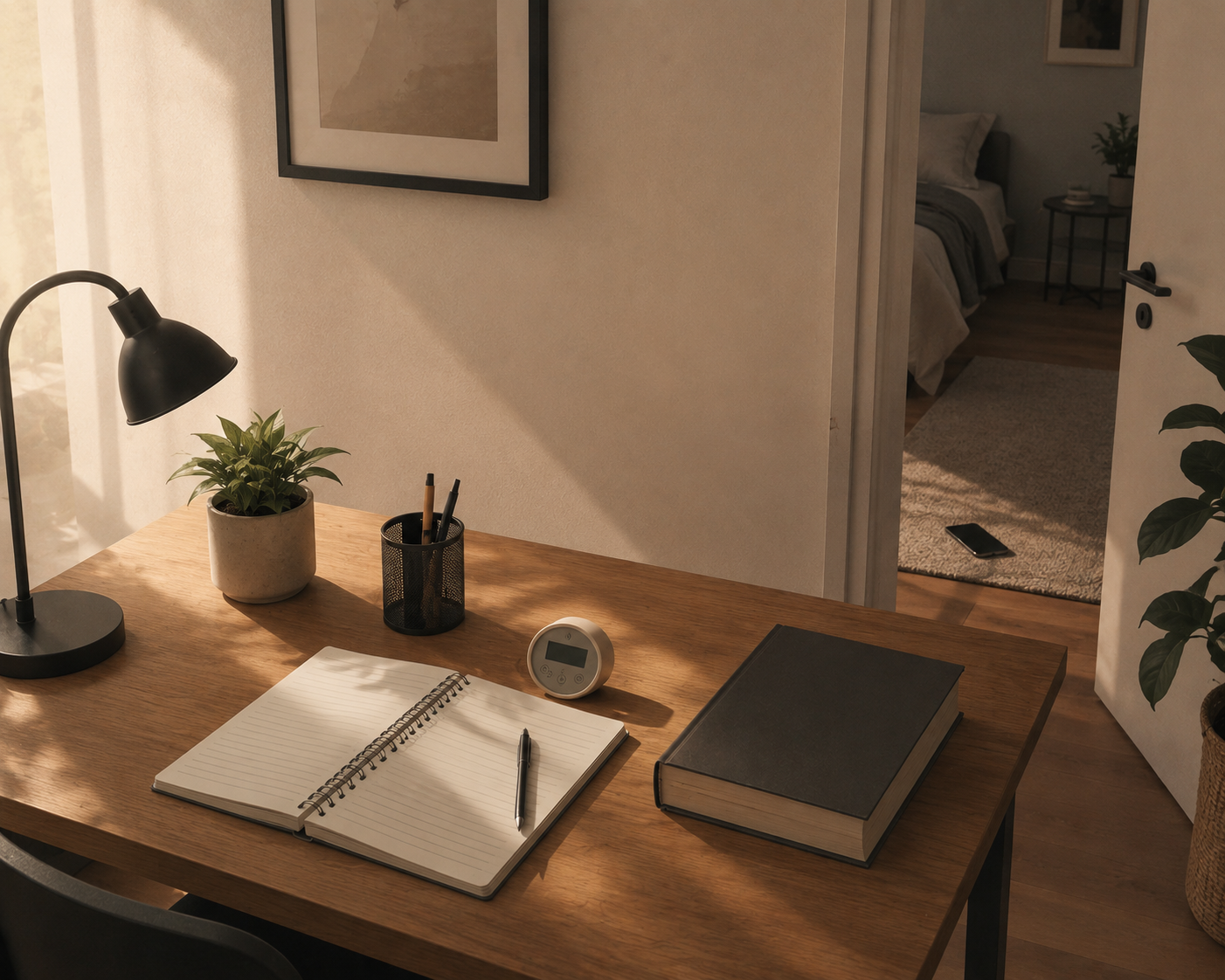
6. Remove Distractions
Phone in another room while you study. Not on silent, not face down — actually out of reach.
7. Sleep 7-8 Hours
Your brain files information while you rest. Pulling an all-nighter before the exam usually works against you, not for you.
8. Reward Progress
Small treats after each study block. Doesn't have to be big — a snack, a show, a walk outside.
Frequently Asked Questions
What's the most effective study method? Active recall and spaced repetition. Testing yourself, even when you get it wrong, builds stronger memory than just rereading or highlighting.
How many hours should I study a day? There's no fixed number. It depends on your course load. Two to three focused hours with your phone away usually beats five distracted ones.
Does sleep really affect memory? Yes. Your brain files what you learned while you sleep. Skipping sleep to cram usually costs you more than it gives you.
What if I don't have time to study every day? Consistency beats duration. 25-30 focused minutes a day using active recall beats one long unfocused session a week.
Pick One Tip and Start
Which tip are you trying first? Save this for exam season and share with your study buddy 📚