What Entrepreneurship Actually Means (And Why Most People Get It Wrong)


Entrepreneurship isn't a job title. It's a process, spotting a problem or an opportunity, taking on risk to organize resources around it, and building something new that creates value.
The "new" doesn't have to mean a flashy product. It can be a service, a business model, or just a better way of solving something that never had an efficient solution before. Strip away the buzzwords and it comes down to three things: innovation, risk, and value creation.
Who Actually Is an Entrepreneur?
An entrepreneur is someone who spots an unmet need, pulls together people, money, and time to address it, and is willing to eat the loss, personally and financially, if it doesn't work.
That's the part people skip past. Everyone wants the win. Fewer people are actually built for the downside.
The traits that usually show up:
- Problem-solver — sees gaps and tries to close them
- Risk-taker — puts in time, money, or reputation with no guaranteed payoff
- Builder — moves from idea → prototype → customers → repeatable system
- Owner of uncertainty — makes calls with incomplete information and lives with them
And no, you don't need to own the company to qualify. Do this inside someone else's business and you're an intrapreneur; same mindset, different paycheck.
How to Actually Become One
There's no single path. But most people who make it follow some version of this loop:
- Find a real problem. Talk to people. What do they complain about, pay for, or hack around every day? The best ideas usually come from your own pain points, not a whiteboard session.
- Test cheap and fast. Don't build the full thing yet. Sell a landing page, a manual version, a rough service. Get 5–10 people who'll actually commit before you build anything real.
- Learn the money basics. Cash flow, pricing, sales, marketing, the legal minimum. You don't need an MBA. You need to know how money comes in and how it leaves.
- Start small, iterate. Launch it messy. Get feedback. Change it. Entrepreneurship is mostly correcting course in public.
- Build your resources. Team, early customers, revenue, funding in whatever order you can get them. Most founders start while still holding a day job.
- Take responsibility. If it breaks, that's on you. If it wins, it's because you kept showing up while it was still messy.

Start practicing now, before you have a "real" business: selling, talking to customers, basic accounting, and shipping something imperfect instead of sitting on a perfect idea.
Is Starting a Business the Same as Entrepreneurship?
No. And this is where most people confuse the two.
Starting a business means legally setting something up and running it to sell. Entrepreneurship specifically adds innovation and risk around creating new value.
Here's the split, made concrete:
- Business owner, not entrepreneur: You buy into an existing franchise. You open another barbershop on the same street, running the same model as the shop next door. You're managing operations but you're not introducing anything new.
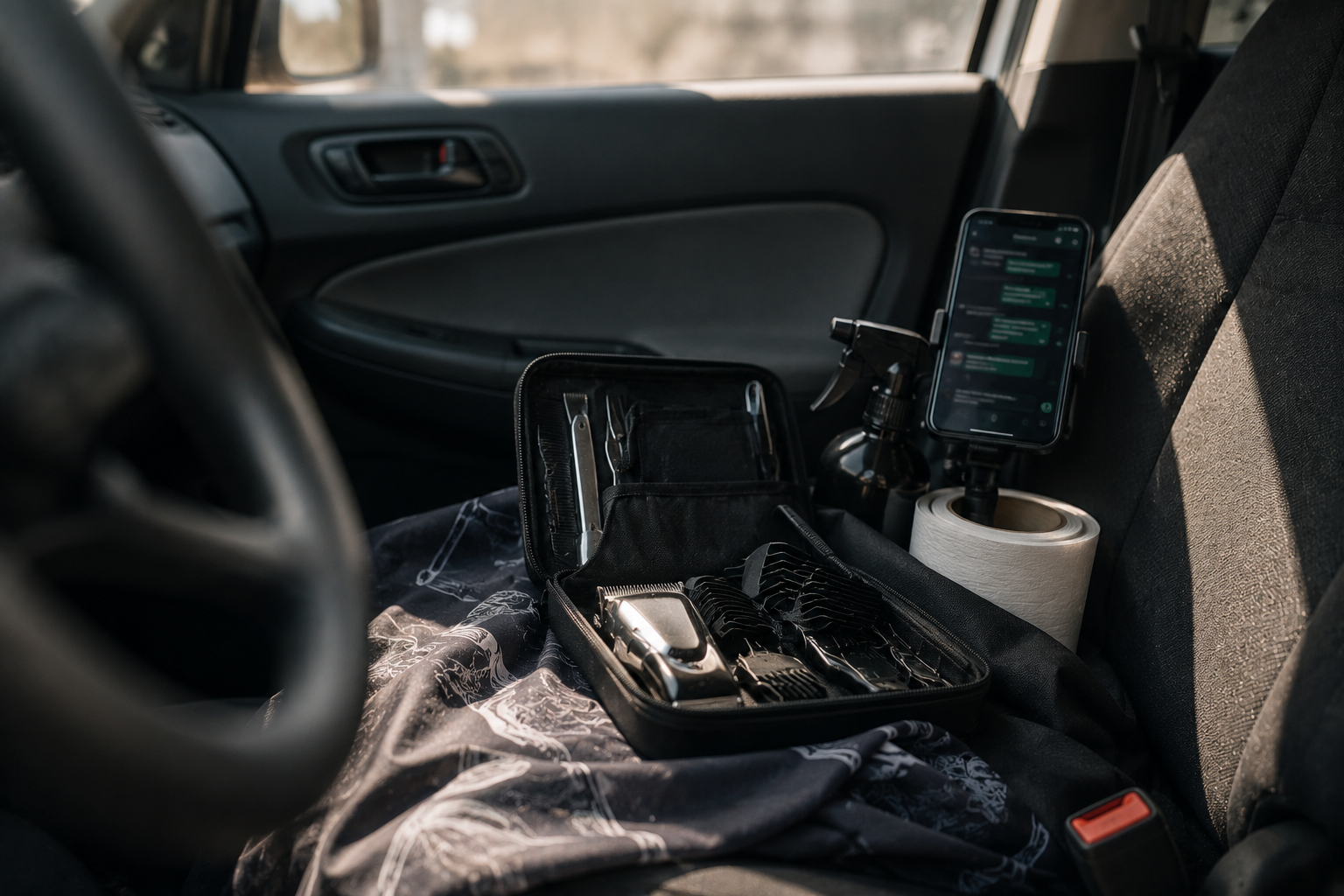
- Entrepreneur: You build a mobile barbershop that comes to offices around Gaborone on lunch breaks, booked over WhatsApp, running on subscription pricing. Same industry. New model. New friction solved.
All entrepreneurs start businesses. Not all business owners are acting as entrepreneurs. The difference isn't the paperwork it's whether you're mainly replicating or mainly creating.
And the overlap happens constantly. Plenty of business owners start out copying an existing model, then become entrepreneurs the moment they start innovating on product, marketing, or how the thing actually runs.
Build the mindset first, then build outward.